
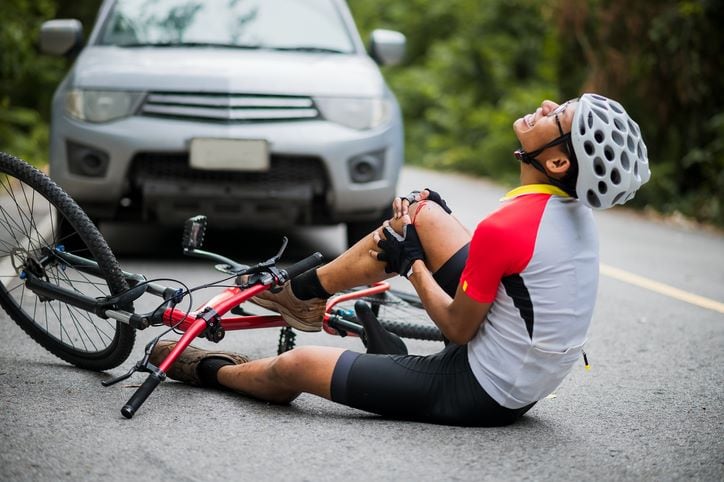
Bicycle accident laws address the responsibilities of cyclists, motorists, and other road users after a collision. An injured cyclist may pursue compensation when another person’s negligence causes harm, but traffic rules and fault standards differ among states and sometimes municipalities.
The strongest claims usually begin with careful documentation rather than assumptions about who had the right of way.
Which Road Rules Apply to Cyclists?
State vehicle codes commonly regulate where bicycles may travel, signaling, lighting, yielding, and interactions with motor vehicles. Local ordinances can add other requirements.
Passing rules provide a good example of state variation. NHTSA documents laws requiring motorists in many jurisdictions to leave specified clearance when overtaking bicycles, but the exact requirement is not uniform nationwide. NHTSA bicyclist passing-law guidance
How Is Negligence Proven?
A cyclist may argue that a driver failed to yield, passed unsafely, opened a vehicle door into the rider’s path, ignored a traffic control, or drove without reasonable attention.
Reading broader accident law resources may explain negligence terminology, but liability ultimately depends on admissible evidence and the law governing the location of the crash.
Can Cyclists Share Fault?
Yes. Insurers may examine the cyclist’s lighting, signaling, lane position, speed, compliance with traffic controls, and other conduct.
Shared responsibility does not have the same effect everywhere. State comparative- or contributory-negligence rules determine whether damages are reduced or potentially barred.
What Should Be Documented After a Bicycle Crash?
The bicycle itself can be important physical evidence. Damage to wheels, frame components, pedals, handlebars, lights, and clothing may help explain the direction and force of contact.
Photos, medical documents, witness details, repair estimates, and organized collision records can preserve evidence before memories fade or damaged items are repaired.
| Item | What It May Document | Practical Use |
|---|---|---|
| Bicycle damage | Impact location | Helps analyze collision |
| Helmet/clothing | Physical contact | Preserves evidence |
| Scene images | Markings and visibility | Records road conditions |
| Medical records | Injury and care | Supports damages |
How Can Insurance Affect Compensation?
The at-fault driver’s liability coverage may be a primary source of compensation in many motor-vehicle collisions. Other coverage may sometimes become relevant, depending on the injured cyclist’s policies and state insurance law.
If coverage is questioned, policy documents and insurance appeal information should be kept with all written communications concerning the claim.
Coverage availability should be checked rather than assumed because policy terms and state requirements vary.
Mistakes That Can Weaken the Evidence
Throwing away a damaged helmet or immediately repairing the bicycle can remove physical evidence before the collision has been properly documented.
Cyclists should also avoid assuming that a driver’s apology, traffic ticket, or insurer’s early statement conclusively settles fault. Each may matter, but a legal claim typically depends on the broader evidence.
When Does a Bicycle Claim Need Legal Review?
Serious injuries, disputed fault, commercial vehicles, dangerous road conditions, defective bicycle components, or uncertain insurance coverage may create issues that are difficult to evaluate alone.
Legal advice can also be important when a city, state, or other public agency may be involved because government-related claims can have special notice rules and deadlines.
Frequently Asked Questions
Can I make a claim if I was riding outside a bike lane?
Possibly. Whether riding outside a bicycle lane was lawful or relevant to fault depends on local and state rules and the circumstances of the crash.
What if a parked driver opened a door into my bicycle?
A dooring collision may support a negligence claim if the evidence shows someone opened a vehicle door unsafely, subject to applicable state and local law.
Should a damaged bicycle be repaired immediately?
Photographing and preserving the bicycle before major repairs may be useful when damage patterns could become evidence. Necessary safety decisions should still take priority.
Keep the Physical Evidence Intact
A bicycle crash claim may depend on details measured in seconds and inches. Preserve the bicycle, scene photographs, witness information, medical documentation, and insurance correspondence while those materials are still available. Then determine which traffic, insurance, and negligence rules apply in the jurisdiction where the collision occurred.
This article provides general legal information and is not a substitute for advice from a qualified attorney about a specific case.